The Growth of Digital Wind Instruments
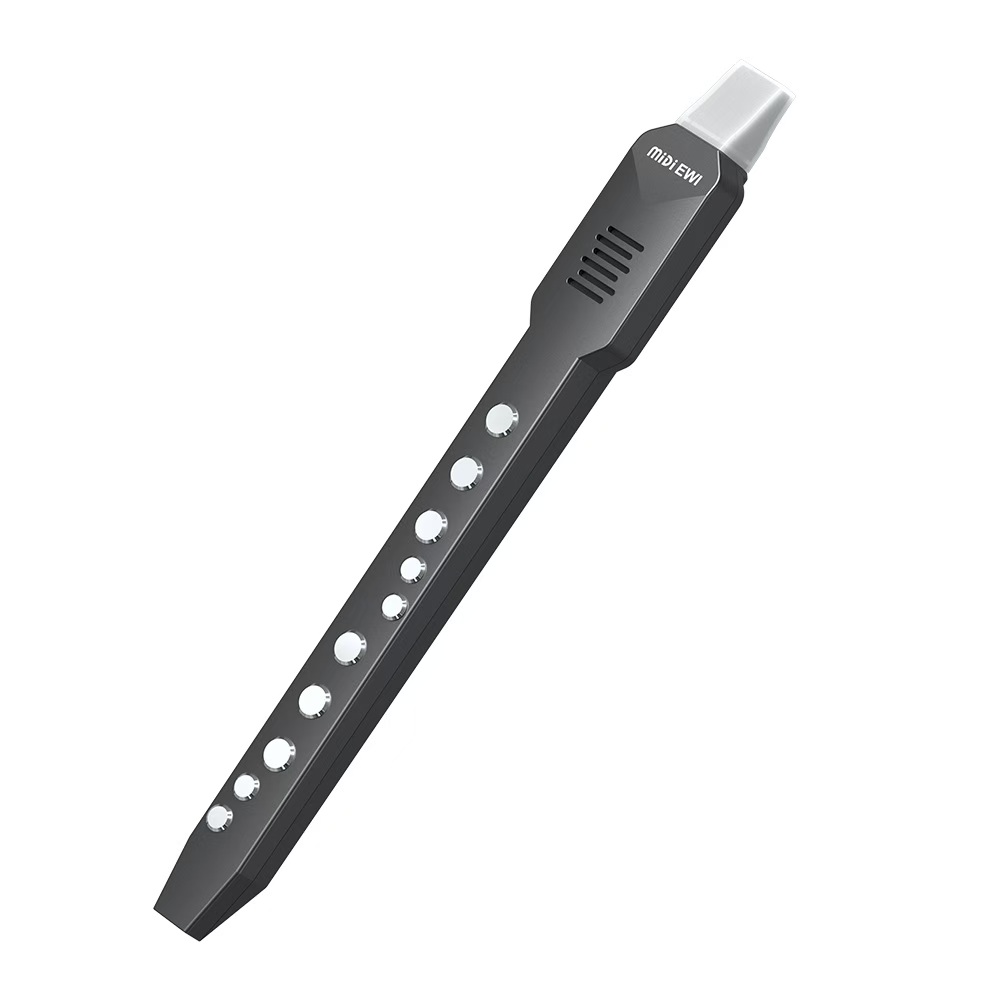
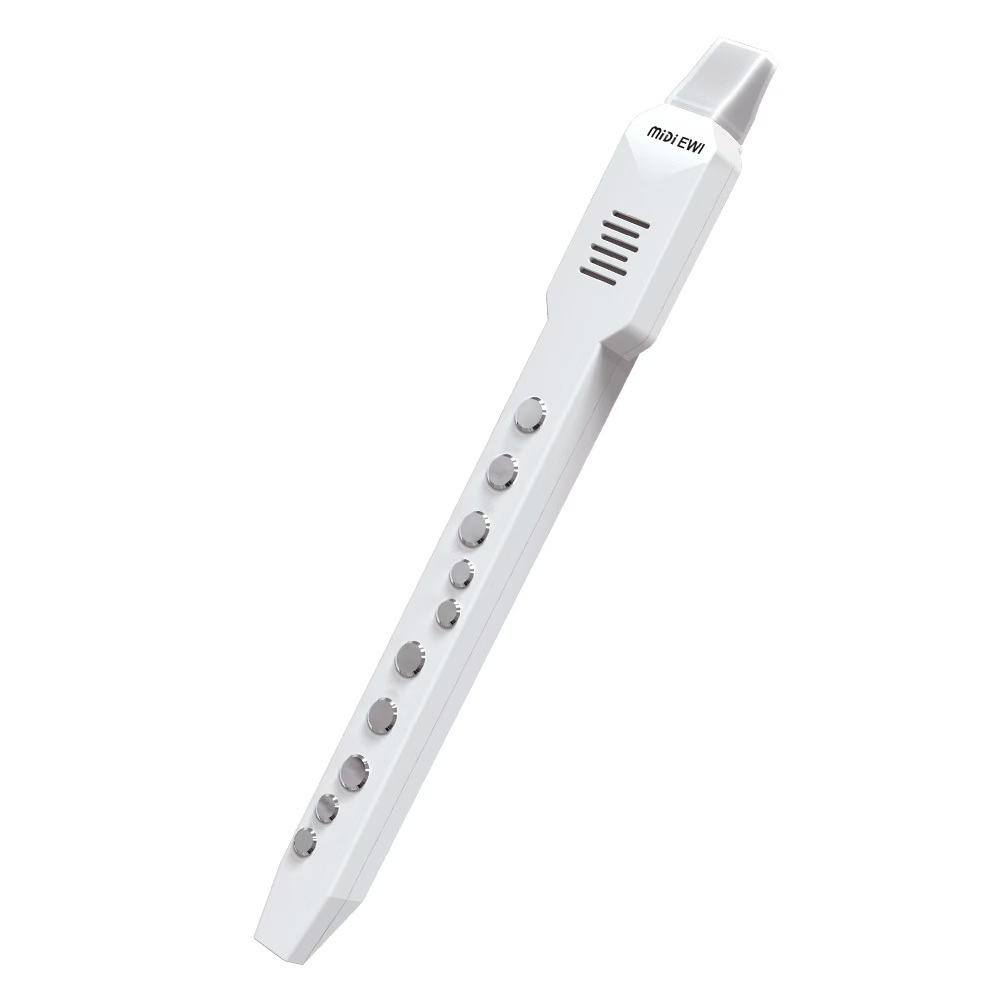
Digital wind instruments have evolved far beyond basic synthesizers. Today, the electronic recorder stands as a bridge between centuries-old woodwind tradition and cutting-edge music technology. Whether you are a professional musician looking for a MIDI controller or a beginner seeking a frustration-free entry into music, these devices are a game-changer.
Here is why the electronic recorder is becoming a staple in the modern musician’s toolkit.
Key Features of Electronic Recorders
Modern digital recorders, such as the re.corder or eCorder, pack an incredible amount of technology into a familiar form factor.
High-Precision Breath Sensors: Unlike a plastic toy, these instruments use pressure sensors to detect the intensity of your breath, allowing for expressive dynamics and “tonguing” techniques.
Transpose Function: You never have to manage the “Black Keys” or worry about switching Keys anymore. The eCorder does it for you like a Karaoke system. Cool!
Wireless Connectivity: Most devices use Bluetooth MIDI to connect to smartphones, tablets, or computers, turning your instrument into a controller for any sound imaginable.
Fingering Options: If you struggle with traditional Baroque or German fingering, many advanced digital recorders allow you to remap the “keys” to a layout that suits your hand size or style. But even the cheaper ones will offer you to switch between the Saxophone or Flute fingerings.
Digital vs. Traditional: Why Go Electronic?
While the wooden recorder has a beautiful, earthy timbre, it comes with physical limitations that digital versions elegantly solve.
1. Silent Practice and Portability
The biggest hurdle for any wind student is the “piercing” sound of practice. Electronic recorders feature a headphone jack (via your connected device), allowing you to practice in apartments, on buses, or late at night without disturbing a soul.
2. Infinite Sound Libraries
A traditional recorder plays one sound. An electronic recorder can be a cello, a lead synthesizer, a flute, or even a full pipe organ. By connecting to a Digital Audio Workstation (DAW), your musical palette becomes infinite.
3. Transposition and Octave Shifts
Playing in a difficult key like F# Major is a nightmare on a traditional recorder. With a digital interface, you can transpose the key at the touch of a button, allowing you to play along with any song using the fingerings you already know.
4. Overcoming Physical Limitations
Traditional recorders require “half-holing” to achieve certain notes. Digital sensors often use touch-sensitive pads or simplified logic, making it easier for those with limited finger dexterity to play complex scales perfectly.
Why You Should Start Learning Today
If you’ve been on the fence about picking up an instrument, the electronic recorder is perhaps the most accessible entry point into the world of music.
Easy Start: If you think learning to play the Ukulele is easy, this is even easier, especially in melody playing. Tools are available to assist those without any musical knowledge and cannot read notes.
The Ultimate MIDI Tool: For music producers, it offers a more “human” way to input melodies into a computer compared to a rigid MIDI keyboard.
Affordability: Compared to buying a professional-grade wooden treble or tenor recorder, a high-quality electronic version is often more cost-effective considering the variety of sounds it provides. The most basic model could cost less than a Ukulele.
Summary of Advantages
| Feature | Traditional Recorder | Electronic Recorder |
|---|---|---|
|
Volume Control |
Fixed (Loud) |
Adjustable/Headphones |
|
Sound Variety |
One (Acoustic) |
10 or more |
|
Maintenance |
High (Wood care/oil) |
Low (Battery/Rechargeable) |
|
Connectivity |
None |
Bluetooth/USB |
|
Reverb Effect |
None |
Adjustable |
The electronic recorder isn’t just a gadget; it’s a legitimate evolution of a classic. It removes the barriers of noise complaints and technical difficulty, leaving only the joy of creation. Come and learn how to play this instrument with us. We also offer the instrument for sale at an affordable price:
* $90 (price subject to change)